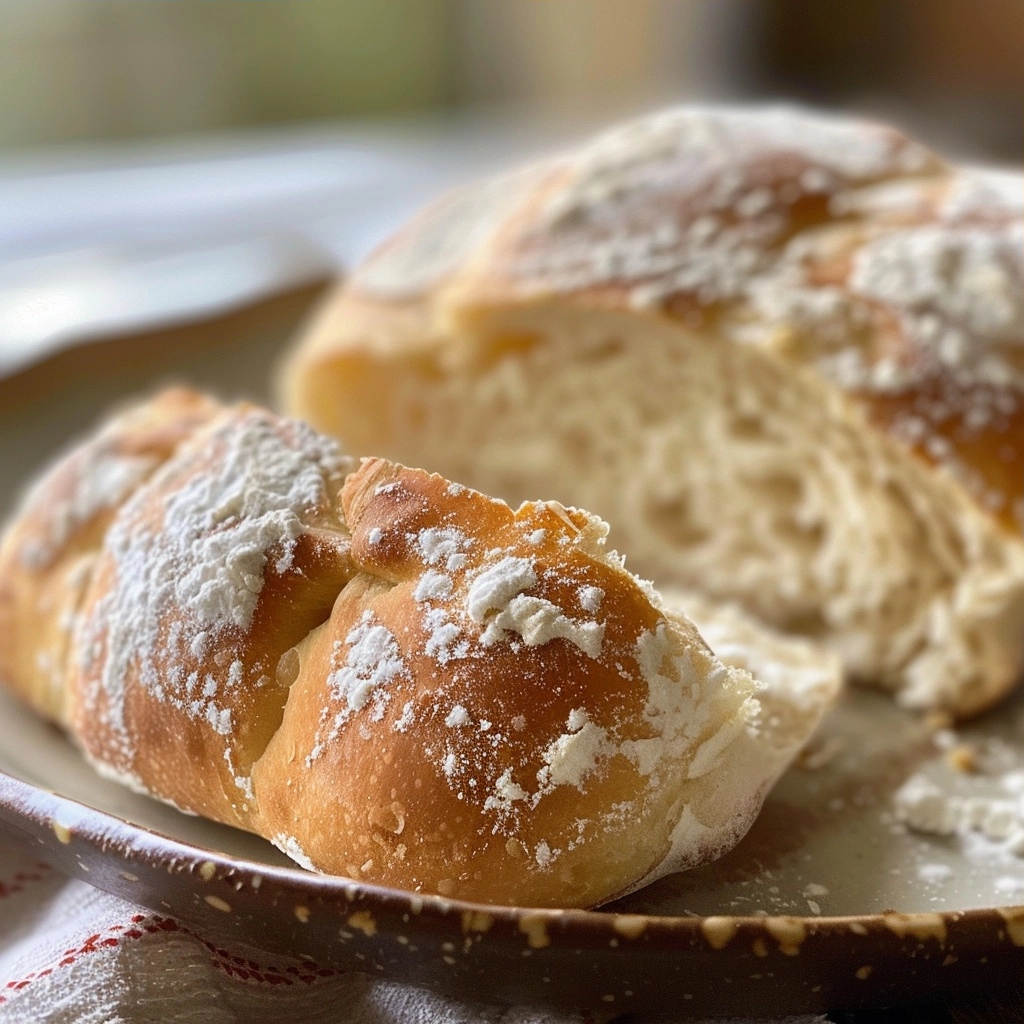
Bread in a Bag is a straightforward technique that transforms basic ingredients into a fresh, soft loaf using minimal equipment. This method blends convenience with excellent texture, creating bread that’s perfect for everyday meals. By kneading inside a sealed bag, cleanup stays easy and dough handling becomes less sticky, making it ideal for novice bakers.
| Prep Time | Cook Time | Total Time | Servings | Difficulty | Cuisine |
|---|---|---|---|---|---|
| 15 minutes | 30 minutes | 1 hour 45 minutes | 8 slices | Easy | American |
Why This Recipe Works
This Bread in a Bag recipe works because it simplifies the traditional bread-making process while delivering a delicious homemade loaf with a tender crumb and crisp crust. Mixing and kneading the dough directly inside a sealed bag prevents dough from sticking excessively to hands or surfaces, which often discourages beginners.
From personal experience, this method reduces mess and makes kneading manageable for all skill levels. The resting periods allow the yeast to activate fully, contributing to a flavorful and well-risen loaf. Baking at 375°F ensures even cooking and a beautiful golden-brown finish every time.
Ingredients
| Ingredient | Quantity | Notes |
|---|---|---|
| All-purpose flour, divided | 3 cups | Use bread flour for chewier texture |
| Granulated sugar | 3 teaspoons | Feeds the yeast; honey can be substituted |
| Active dry yeast | 1 packet (2¼ teaspoons) | Ensure freshness for best rise |
| Warm water | 1 cup (110°F / 43°C) | Perfect temperature to activate yeast |
| Olive oil | 3 tablespoons | Provides tenderness; vegetable oil optional |
| Salt | 1½ teaspoons | Enhances flavor and strengthens dough |
Step-by-Step Instructions
Mixing the Dough
- Combine 1½ cups flour, sugar, and yeast inside a large zip-top bag.
- Add warm water and olive oil. Seal the bag securely and squeeze contents thoroughly until smooth and evenly mixed.
- Let the mixture rest inside the sealed bag for 10 minutes to allow initial fermentation.
Kneading and Rising
- Open the bag and incorporate salt plus the remaining 1½ cups flour.
- Reseal the bag and knead the dough by squeezing and pressing it through the plastic until a rough dough forms.
- Remove the dough and knead on lightly floured surface for 5 minutes until smooth and elastic.
- Shape dough into a loaf and place into a greased loaf pan. Cover loosely with a cloth and let it rise in a warm place until doubled in size, about 45–60 minutes.
Baking and Cooling
- Preheat oven to 375°F (190°C).
- Bake the loaf for 25–30 minutes until golden brown and hollow-sounding when tapped on the bottom.
- Cool bread in pan for several minutes, then transfer to wire rack to finish cooling.
- Slice and serve warm or at room temperature.
Chef Tips for Perfect Results
- Use water at precisely 110°F to optimally activate the yeast without killing it.
- Ensure the zip-top bag is sealed tightly to avoid leaks during kneading.
- Knead thoroughly inside the bag and on the surface to develop gluten fully, which creates better structure.
- Allow the dough sufficient rising time in a draft-free, warm spot for maximum rise.
- Check for doneness by tapping the loaf’s bottom—the hollow sound signals it’s baked through.
- Cool bread on a wire rack to prevent sogginess from trapped steam.
Common Mistakes to Avoid
- Using water too hot will kill the yeast and prevent rising; always measure temperature accurately.
- Not kneading enough leads to dense bread; knead until dough is elastic and smooth.
- Adding too much flour at the start can make dough dry; add flour gradually to maintain softness.
- Failing to let dough rise fully produces flat bread; wait until dough doubles in size.
- Baking at incorrect temperature causes undercooked or uneven bread; preheat oven fully before baking.
Variations and Substitutions
| Ingredient | Substitution | Impact on Flavor |
|---|---|---|
| Olive oil | Vegetable oil or melted coconut oil | Vegetable oil neutral; coconut oil adds mild sweetness |
| Granulated sugar | Honey or maple syrup | Honey adds floral notes; maple syrup deep sweetness |
| All-purpose flour | Bread flour or whole wheat flour | Bread flour yields chewier texture; whole wheat adds nuttiness and density |
Serving Suggestions and Pairings
Bread in a Bag pairs wonderfully with homemade soups like tomato basil or creamy mushroom chowder. It is also excellent with breakfast spreads, including butter, jam, or nut butters for a wholesome start. For sandwiches, use it with grilled chicken salad, fresh veggies, or turkey for lunch occasions.
Storage and Reheating
| Method | Duration | Instructions |
|---|---|---|
| Room Temperature | 2 days | Store bread in airtight container or bread box. |
| Refrigeration | Up to 1 week | Wrap tightly in plastic wrap or foil before refrigerating. |
| Freezing | Up to 3 months | Slice loaf, wrap slices or whole loaf in foil and place in freezer bag. |
| Reheating | 5–10 minutes | Warm slices in toaster or oven at 350°F until heated through. |
Nutritional Information
| Nutrient | Amount per Serving |
|---|---|
| Calories | 150 kcal |
| Protein | 4 g |
| Fat | 3 g |
| Carbohydrates | 27 g |
| Fiber | 1 g |
| Sugar | 2 g |
| Sodium | 210 mg |
Frequently Asked Questions
Can I substitute instant yeast for active dry yeast in this bread in a bag recipe?
Yes, you can substitute instant yeast for active dry yeast at a 1:1 ratio. Instant yeast does not require proofing in water, so you can mix it directly with the dry ingredients. Adjust water slightly if needed to maintain dough consistency.
How do I know when the bread in the bag is fully baked?
The bread is done when it has a deep golden crust and sounds hollow when tapped on the bottom. You can also check the internal temperature, which should be about 190°F (88°C) for fully cooked bread.
What can I do if my bread dough doesn’t rise in the bag?
Ensure the yeast is fresh and the water temperature was correct. Warm, draft-free location is critical. If dough is not rising, increase rising time or try proofing yeast separately to confirm activity.
Can I prepare the bread dough ahead of time and bake later?
Yes, you can prepare the dough and refrigerate it for up to 24 hours before baking. Allow the dough to come to room temperature and complete rising before baking for best results.
What are the best accompaniments to serve with bread made in a bag?
This bread complements soups, salads, and breakfast spreads exceptionally well. Try pairing it with recipes like your favorite tomato soup, classic turkey sandwich, or creamy avocado toast.
For more baking tips, explore our baking guide and find professional advice on King Arthur Baking Company.
Bread in a Bag: Simple Homemade Loaf
Ingredients
- 3 cups all-purpose flour, divided
- 3 teaspoons granulated sugar
- 1 packet (2¼ teaspoons) active dry yeast
- 1 cup warm water (110°F / 43°C)
- 3 tablespoons olive oil
- 1½ teaspoons salt
Instructions
- Combine 1½ cups flour, sugar, and yeast in a large zip-top bag
- Add warm water and olive oil; seal and squeeze until smooth
- Rest in the sealed bag for 10 minutes
- Open the bag and add salt plus remaining 1½ cups flour
- Reseal and knead dough through plastic until smooth
- Remove and knead on floured surface for 5 minutes
- Shape into a loaf and place in a greased pan
- Let rise in a warm place until doubled
- Bake at 375°F (190°C) for 30 minutes
Notes
Honey can substitute sugar
Vegetable oil works if olive oil is unavailable
Let dough rest 10 minutes before kneading