

Introduction
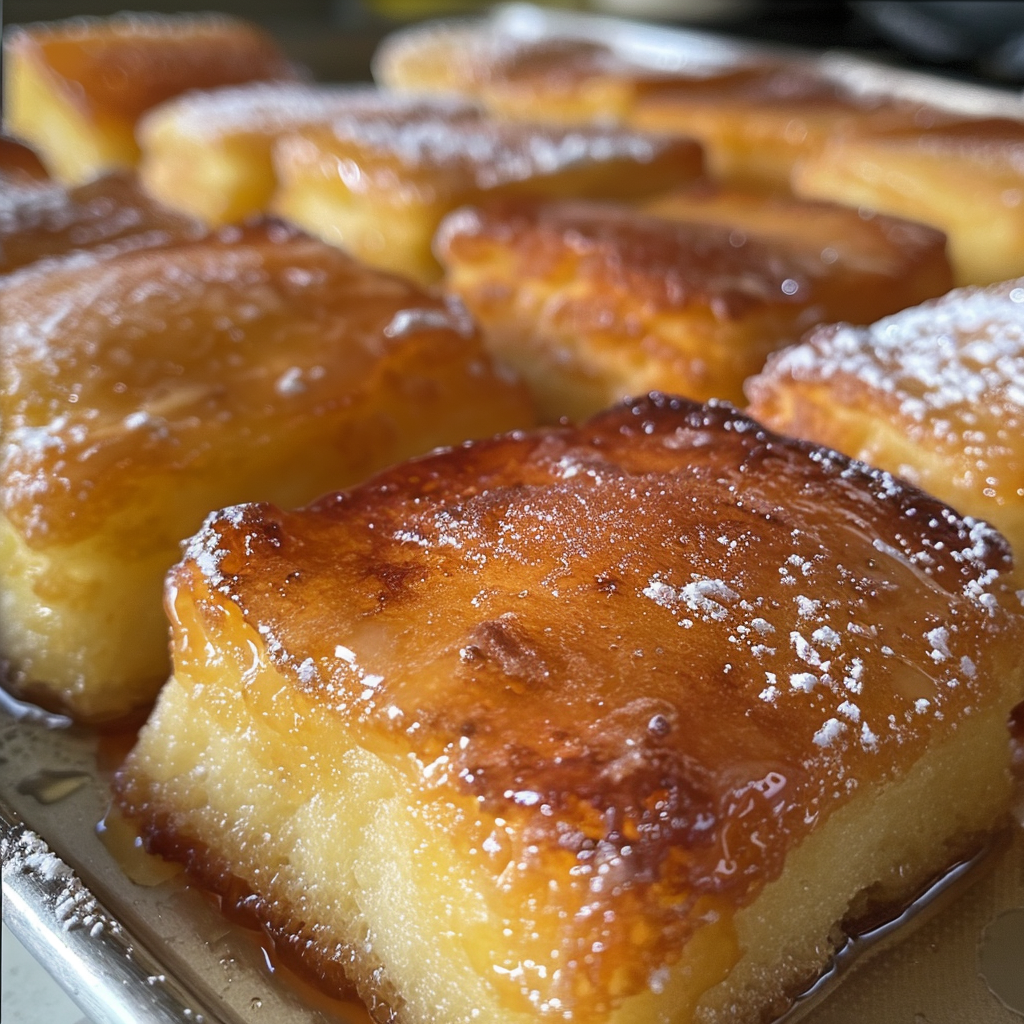
If you’re craving a treat that’s delightfully soft, sweet, and irresistibly glazed, then these Glazed Buttermilk Beignet Squares are just what you need. With a tender, airy texture and a subtle tang from the buttermilk, every bite offers a perfect balance of sweetness and creaminess. The aroma of fried dough mingled with vanilla glaze fills your kitchen, inviting everyone to gather round and enjoy these delightful squares warm from the fryer. Whether for breakfast, dessert, or a special occasion, this recipe is a guaranteed crowd-pleaser that is easy to make and simply delicious.
Prep Time, Cook Time, Total Time, and Servings
Preparation for these beignet squares takes approximately 20 minutes, with the dough requiring an additional 1 to 2 hours to rise. The frying itself will take around 15 minutes, depending on batch sizes. Overall, you can expect to spend about 1 hour and 35 minutes to 2 hours and 35 minutes from start to finish. This recipe yields about 24 to 30 beignet squares, perfect for sharing with family and friends or to enjoy as a sweet treat throughout the week.
Ingredients
For the Dough:
- 3½ cups all-purpose flour
- 1/4 cup granulated sugar
- 2¼ teaspoons active dry yeast (1 packet)
- 1 cup warm buttermilk (about 110°F/43°C)
- 2 large eggs
- 4 tablespoons unsalted butter, melted
- 1 teaspoon vanilla extract
- 1/2 teaspoon salt
- Vegetable oil (for frying)
For the Glaze:
- 2 cups powdered sugar
- 3-4 tablespoons milk or buttermilk
- 1 teaspoon vanilla extract
Step-by-Step Instructions
- Activate the yeast: In a small bowl, combine the warm buttermilk and active dry yeast. Let it sit for 5 to 10 minutes until frothy and foamy, indicating the yeast is active.
- Mix wet ingredients: In a large mixing bowl, whisk together the granulated sugar, eggs, melted butter, and vanilla extract until fully combined.
- Add yeast mixture: Pour the yeast and buttermilk mixture into the wet ingredients and stir well to incorporate.
- Add dry ingredients: Gradually add the all-purpose flour and salt to the wet mixture. Stir continuously until a soft dough forms.
- Knead the dough: Transfer the dough onto a floured surface and knead for 8 to 10 minutes until the dough becomes smooth, elastic, and no longer sticky.
- Let the dough rise: Place the kneaded dough into a lightly greased bowl. Cover it with a clean kitchen towel and leave it in a warm, draft-free spot. Let it rise for 1 to 2 hours or until doubled in size.
- Prepare for cutting: Once risen, punch down the dough to release trapped air. Roll it out on a floured surface to approximately ¼-inch thickness.
- Cut into squares: Using a sharp knife or pizza cutter, cut the dough into small squares, roughly 2 to 3 inches per side.
- Heat oil: Heat vegetable oil in a deep pan or fryer to 350°F (175°C). Use enough oil so the beignet squares can float and fry evenly.
- Fry the beignet squares: Fry the dough squares in batches for 1 to 2 minutes per side, or until they turn a beautiful golden brown. Use tongs or a slotted spoon to flip them carefully.
- Drain: Remove the squares from the oil and place them on paper towels to absorb any excess oil.
- Make the glaze: While the beignets are still warm, whisk together powdered sugar, milk (or buttermilk), and vanilla extract until smooth. Adjust the consistency by adding more milk if needed—it should be thick but pourable.
- Glaze the beignets: Dip each warm beignet square directly into the glaze or drizzle the glaze over them generously. Serve immediately for the best flavor and texture.
Pro Tips for Perfect Glazed Buttermilk Beignet Squares
- Warm buttermilk carefully: Keep the buttermilk warm (around 110°F) to activate the yeast properly without killing it.
- Don’t skip kneading: Kneading develops gluten for the perfect chewy and airy texture.
- Oil temperature is key: Use a thermometer to maintain oil at 350°F to ensure even frying without greasy beignets.
- Fry in batches: Avoid overcrowding the pan, which can reduce oil temperature and lead to soggy dough squares.
- Glaze when warm: Glazing the beignets while warm helps the glaze stick better and soak in slightly for extra flavor.
Variations and Substitutions
Feel free to experiment with this versatile recipe to suit your taste or dietary needs:
- Gluten-Free Version: Use a gluten-free all-purpose baking flour blend designed for yeast-raised doughs. Be mindful the texture will be slightly different.
- Healthier Swaps: Substitute granulated sugar with coconut sugar or a natural sweetener of your choice. Use milk instead of buttermilk in the glaze to reduce calories slightly.
- Flavor Twists: Add a hint of cinnamon or nutmeg to the dough for aromatic depth. You can also use citrus zest (lemon or orange) in the glaze for a fresh note.
- Dairy-Free Option: Replace buttermilk with a plant-based milk + 1 tablespoon lemon juice combination to mimic tanginess. Use dairy-free butter alternatives.
Storage and Reheating Tips
To keep your Glazed Buttermilk Beignet Squares fresh, store them in an airtight container at room temperature for up to 2 days. For longer storage, refrigerate for up to 4 days, but note they may lose some softness. Reheat by gently warming in a low-temperature oven (around 300°F/150°C) for 5–7 minutes to restore their lovely texture. Avoid microwaving as this can make them rubbery. You can also refry briefly in hot oil for a crisp finish before glazing, if desired.
FAQ
- Can I make the dough ahead of time?
- Yes, you can prepare the dough and refrigerate it after kneading. Let it rise slowly in the fridge overnight. Before shaping and frying, allow it to come to room temperature and rise until doubled.
- What oil is best for frying these beignets?
- Vegetable oil is ideal because it has a high smoke point and neutral flavor. You can also use canola or peanut oil if preferred.
- Why are my beignets dense instead of airy?
- Dense beignets may result from underkneading or using inactive yeast. Make sure to knead well and verify your yeast is fresh and properly activated in warm buttermilk.
- How do I make the glaze thicker or thinner?
- For a thicker glaze, add more powdered sugar gradually. To thin the glaze, add milk or buttermilk a teaspoon at a time until you reach desired consistency.
- Can I bake the beignet squares instead of frying?
- While frying gives the classic texture and flavor, you can bake them at 375°F (190°C) for about 12-15 minutes until golden. However, they won’t have the same crisp exterior.
Nutrition Estimate per Serving
Each glazed buttermilk beignet square contains an estimated 180 calories, with approximately 4 grams of protein, 25 grams of carbohydrates, and 7 grams of fat. This estimate considers the frying oil absorption and glaze, making these beignets a moderately indulgent treat best savored in moderation.
Glazed Buttermilk Beignet Squares
Ingredients
- 3½ cups all-purpose flour
- 1/4 cup granulated sugar
- 2¼ teaspoons active dry yeast
- 1 cup warm buttermilk
- 2 large eggs
- 4 tablespoons unsalted butter, melted
- 1 teaspoon vanilla extract
- 1/2 teaspoon salt
- Vegetable oil (for frying)
- 2 cups powdered sugar
- 3-4 tablespoons milk or buttermilk
- 1 teaspoon vanilla extract (for glaze)
Instructions
- Activate the yeast: In a small bowl, combine warm buttermilk and active dry yeast. Let sit 5-10 minutes until foamy.
- Mix wet ingredients: In a large bowl, whisk granulated sugar, eggs, melted butter, and vanilla extract.
- Add yeast mixture: Pour the buttermilk-yeast mixture into the wet ingredients and stir well.
- Add dry ingredients: Gradually add flour and salt, stirring until a soft dough forms.
- Knead the dough: Transfer dough to a floured surface and knead 8-10 minutes until smooth and elastic.
- Let the dough rise: Place dough in a greased bowl, cover with a towel, and let rise 1-2 hours in a warm, draft-free spot.
- Roll out and cut: Punch down the dough, roll to ¼-inch thickness, and cut into 1½-inch squares.
- Fry the squares: Heat oil to 350°F (175°C). Fry squares in batches until golden brown (~1.5-2 minutes per side). Drain on a wire rack.
- Prepare the glaze: Whisk powdered sugar, 3-4 tablespoons milk or buttermilk, and vanilla extract until smooth.
- Coat and serve: Place warm beignets on a tray and drizzle with glaze. Serve immediately.